
Late summer in Cape Town brings hot temperatures, strong winds and dry conditions. These months place increased pressure on our environment, infrastructure and communities.
This year, fire season remains at its peak, the City has urged reduced water consumption due to low dam levels and below-average rainfall predictions, and heatwave warnings have also been issued.
Preparedness is not about alarm – it is about awareness and shared responsibility. As always, your CID remains available for matters relating to public safety and urban maintenance, so please always report any relevant incidents.
Fire Safety During Peak Fire Season
Fire season in Cape Town runs from November to May, when hot, dry and windy conditions create the ideal environment for fires to ignite and spread rapidly.
Many urban areas border mountainous or conservation land, increasing exposure to wind-driven embers and vegetation fires. Prevention begins with basic property maintenance.
The City of Cape Town Fire & Rescue Service continues to respond to incidents across the metro, many of which can be reduced through vigilance and upkeep.
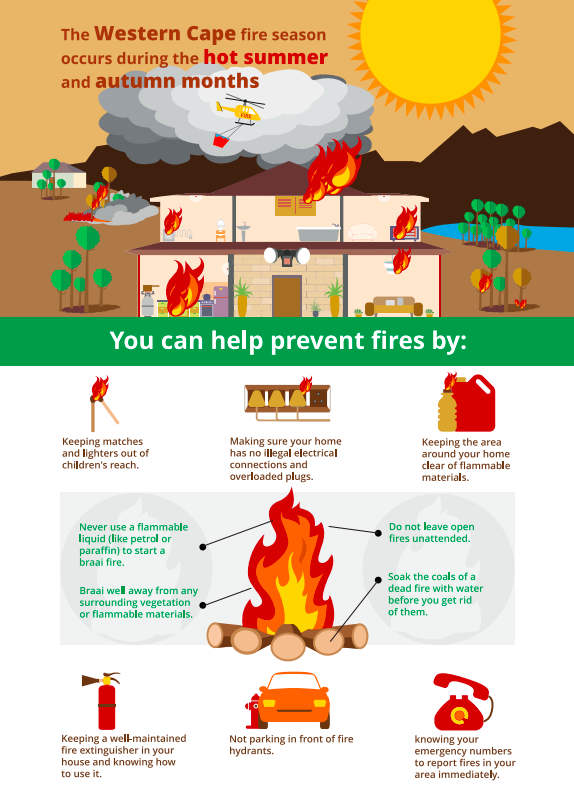
Property Maintenance – Your First Line of Defence
- Trim overhanging branches and remove dead vegetation
- Clear gutters of dry leaves and pine needles
- Remove leaf litter and debris from roofs
- Cut grass short and clear unmanaged verges
- Keep flammable materials away from building walls
- Keep refuse storage areas enclosed and clean
Wind can carry embers over long distances. Keeping roofs, gutters and the immediate area around buildings clear significantly reduces ignition risk.
Be Prepared
- Keep a hosepipe accessible and ready for use
- Wet roofs and gutters if falling ash is present
- Ensure fire extinguishers are serviced and staff trained
- Keep emergency access routes clear
- Prepare a grab bag with essential documents in case evacuation is required
If evacuation is necessary, prioritise people and animals first.
In an emergency, dial 107 from a landline or 021 480 7700 from a cellphone.
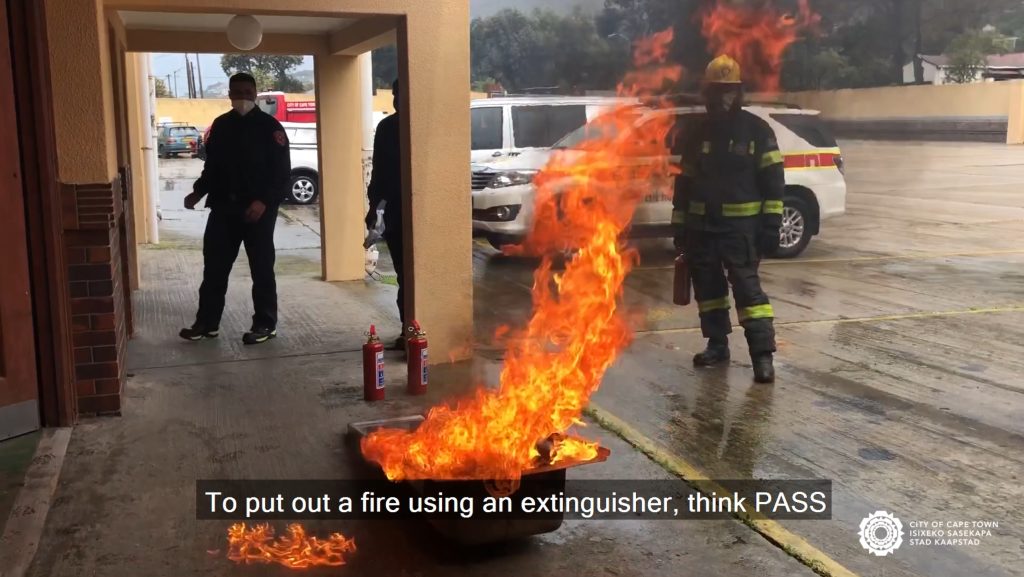
For additional guidance, visit the City’s Fire Safety resource page, which includes fire safety and preventative tips for households tips, public events, shack fires and more, as well as how to request a fire training session for your business.
You may also download the Fire & Life Safety – Workplace Checklist for practical steps businesses can implement.
Water Use – A Current and Shared Responsibility
The City has recently urged residents and businesses to reduce water consumption due to low dam levels and lower than average rain predicted this year. While conditions differ from previous drought years, the reminder is clear – responsible water use remains essential.
Cape Town’s resilience depends on collective effort.
- Fix leaks immediately
- Monitor monthly water consumption
- Avoid unnecessary irrigation
- Install water-efficient fittings
- Reuse greywater appropriately where feasible
Small actions across many households and businesses make a meaningful impact.
Heatwave Awareness – Protecting People and Animals
Extended periods of high temperatures affect many who work outdoors, including security officers, cleaning and urban management teams, builders and contractors, gardeners, informal traders and donkey cart operators in certain areas.
Heat also poses serious risk to elderly residents, young children and animals.


Heatwave Tips
- Encourage frequent hydration
- Schedule rest breaks in shaded areas
- Adjust working hours where possible
- Avoid strenuous activity during peak midday heat
- Never leave children or animals in vehicles
- Ensure pets and working animals have constant access to shade and water
Checking in on vulnerable neighbours during extreme heat can make a significant difference.
Urban Wildlife Awareness
Snake activity typically increases in late summer, particularly in grassy areas, vacant land, mountainous zones and near hiking trails.
If a snake is spotted:
- Keep a safe distance
- Do not attempt to catch or kill it
- Contact a qualified snake removal service
- Report the sighting if it poses a public risk
Responsible reporting ensures safe and humane management of urban wildlife.
Read more about Snakes in the Western Cape in our Summer Safety 2025 post.
Reporting Service Requests and Emergencies
Timely reporting allows for faster response and safer public spaces.
For life-threatening emergencies, contact the City of Cape Town Fire & Rescue Service:
- Dial 107 from a landline or 021 480 7700 from a cellphone.
For service-related matters, residents and businesses are encouraged to:
- Log requests through the City’s C3 notification system
- Contact the CID 24-hour control room for immediate assistance
- Report issues directly to the CID office during working hours
Please report:
- Illegal dumping
- Water leaks
- Fire hazards
- Damaged infrastructure
- Overgrown vacant land
- Stray or distressed animals
Active reporting strengthens the partnership between the City, CIDs and the communities we serve.


Late summer demands vigilance, care and cooperation. By maintaining our properties, reducing water use, protecting vulnerable individuals and reporting hazards early, we help safeguard our districts.